
Brand Identity Design
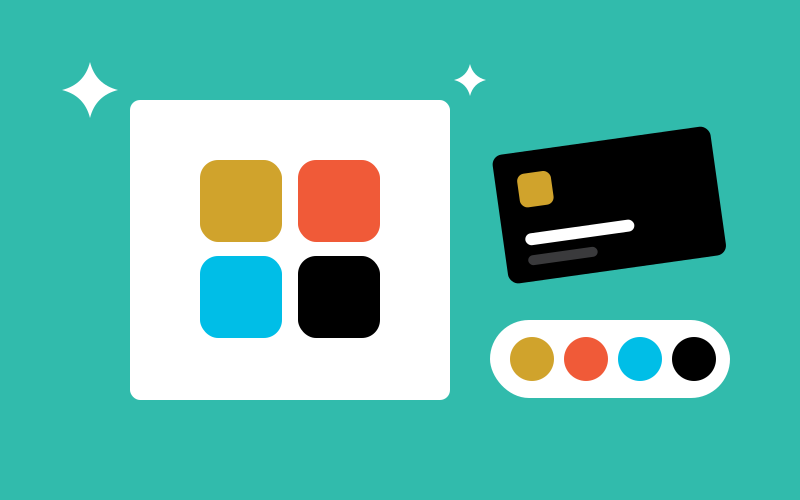
We design complete visual identities: the logo, colours, typography, imagery and graphic elements that make your brand recognisable and consistent wherever people encounter it.
Brand strategy defines what your business stands for, who it serves and why that matters to them. We turn those answers into a clear positioning and messaging foundation for everything that follows.
Brand strategy is the thinking behind a brand's name, visuals and communication. It sets out who the business serves, what it offers that others don't, how it should sound and what it wants people to remember. At TechBiz Digital, we treat strategy as the foundation for design and marketing work, so the decisions that follow are grounded in business reality rather than personal taste.
A strategy is not a slogan or a mood board. It is a set of clear, agreed answers that your team, your designers and your marketing partners can use to make consistent choices. When those answers are missing, brands tend to drift: the website says one thing, social media says another and sales conversations say something else again.
Strategy is most valuable at moments of change or uncertainty. Common situations include:
when there is no established identity and first impressions will set expectations.
where existing messages may not translate or may not address what new customers care about.
when more people speak for the brand and need a shared reference point.
when prospects find it hard to tell you apart from competitors and end up comparing on price alone.
so new visuals are built on a defined direction. If you already have an established brand, our brand refresh and rebranding service builds this strategic work into a wider review.
bringing businesses, products or teams together under one clear brand story.
We agree the exact scope at the start, but a brand strategy engagement typically produces:
a summary of what we learn from stakeholder conversations, your existing materials and the way the business currently presents itself.
the people you most want to reach, what they need, what concerns them and what influences their decisions.
how comparable businesses position themselves, where the market sounds alike and where there is room to be different.
a concise articulation of who you serve, what you offer and why it matters, written as an internal reference.
the specific benefits customers can expect, expressed in plain language.
how the brand should feel and sound, with practical guidance on what that means in writing for copywriters and anyone else who speaks for the brand.
key messages and supporting points for each audience, ready to inform your website, sales materials and campaigns.
where relevant: how a parent brand relates to its sub-brands, products or services.
a clear record of every decision, plus a brief that guides brand identity design and other creative work.
We start by listening. Through conversations with founders, leadership and, where useful, your team, we explore the business's ambitions, offer and challenges, and review how others currently describe you.
We look at the audiences you serve and the competitors they are likely to compare you with. The aim is to identify what customers value, what the market already says and which gaps are worth owning.
We draft the positioning, value proposition, personality and messaging. These are presented as reasoned recommendations rather than finished slogans, so you can see the thinking behind each choice.
Strategy only works when it is agreed. We test the recommendations with you against real situations, such as a sales conversation or a homepage headline, and refine them until the direction feels right.
We deliver the final strategy document and creative brief, and walk your team through how to use them in their day-to-day work. If design work follows, the brief moves straight into the visual identity phase.
A defined strategy makes the rest of your brand work faster and more coherent. Designers have a brief to work from instead of guessing. Copywriters know which messages to lead with. Marketing activity can be judged against an agreed purpose rather than opinion. Internally, it gives new team members a quick way to understand what the business stands for and how to talk about it.
It also reduces the risk of expensive changes later. Redesigning a logo or rewriting a website because the direction was never agreed costs far more than settling that direction first.
Strategy does not deliver results on its own. Its value comes from being applied consistently, which is why we write it to be practical, specific and easy to use.
Strategy is usually the first step in a wider brand programme. The positioning and personality we define become the brief for brand identity design and logo design, and they sit alongside the visual rules in your brand guidelines. Beyond design, the messaging framework gives digital marketing strategy and our wider marketing services a clear starting point for content and campaigns. You can explore the full range of our design services.
Frequently Asked Questions
Brand strategy defines what the brand stands for, who it is for and how it should communicate. Brand identity is the visual expression of that strategy, including the logo, colours, typography and imagery. Strategy normally comes first, so the identity has a clear direction to express.
Not always. A small business with a clearly defined offer may only need a short discovery session before logo design begins. If you are unsure who you are targeting or how you differ from competitors, settling that first usually leads to a stronger and longer-lasting logo.
Usually the founders or senior decision-makers, plus people who work closely with customers, such as sales or customer service. Their understanding of how customers think and decide is often as valuable as the leadership view.
Discovery always includes reviewing what you already know about your customers. Where the scope allows, we can also gather input directly from customers through interviews or short surveys. We agree the research approach at the start of the project.
A strategy document covering your audience, positioning, value proposition, brand personality, tone of voice and key messages, together with a creative brief for any design work that follows. We confirm the format during planning.
It depends on the size of the business, the number of stakeholders involved and whether customer research is included. A focused strategy for a smaller business takes considerably less time than one for an organisation with several services or sub-brands. We confirm the timeline in your proposal.
Brand strategy defines what your business stands for, who it serves, why that matters to them and how you want to be perceived. It covers positioning, audience, value proposition, personality and messaging, and guides later decisions about design, content and marketing.
Smaller businesses rarely have budget to spare on unclear messaging. A strategy focuses limited resources on the right audience and message, helps you stand out from larger competitors and makes design and marketing work faster and more effective.
It gives marketing a clear foundation: who to target, which problems to address, what to say and how to say it. Campaigns built on an agreed strategy are more consistent, easier to brief and easier to measure against your goals.
The cost depends on the depth of research, the number of stakeholders and workshops, and the deliverables you need. We confirm the scope and price in a proposal after an initial conversation about your business.
Keep Exploring
More design services from TechBiz Digital, starting with those that work best alongside Brand Strategy.
We design complete visual identities: the logo, colours, typography, imagery and graphic elements that make your brand recognisable and consistent wherever people encounter it.
We design distinctive, versatile logos that represent your business clearly and work wherever they need to, from a favicon or app icon to a sign above your door.
We help established businesses update their brands, from a focused refresh that modernises what already works to a full rebrand when the business has fundamentally changed.
We create clear, practical brand guidelines that show your team, agencies and suppliers exactly how to use your brand, so it looks and sounds consistent wherever it appears.
We design business websites that look distinctive, read clearly and guide visitors towards the next step, with responsive layouts planned for every screen size.
We research how people use your digital product, then design the journeys, structure and interfaces that make it clear, efficient and pleasant to use.
We design mobile app experiences for iOS and Android that feel natural in the hand, respect each platform's conventions and help users get things done in moments.
We design web applications, dashboards and SaaS platforms that make complex work feel manageable, with clear workflows, readable data and interfaces built to scale.
We design online stores that make products easy to discover, explain them clearly and take shoppers smoothly from browsing to checkout on any device.
We create clear, well-crafted visual communication for print and digital, from brochures and adverts to infographics and campaign artwork, all consistent with your brand.
We design social media content that is instantly recognisable as yours: posts, carousels, stories, profile assets and reusable templates built for each platform.
We design presentations that help you win the room: pitch decks, sales and company presentations, and branded templates that turn complex information into a clear story.
We design packaging and labels that make products stand out, communicate clearly at a glance and arrive as print-ready artwork your manufacturer can produce accurately.
We design business cards, letterheads and the everyday printed materials that represent your company, prepared as print-ready artwork with practical guidance on paper and finishes.