Backend Development
We build the secure, reliable server-side systems behind websites, apps and platforms, handling business logic, data, authentication and performance out of sight.
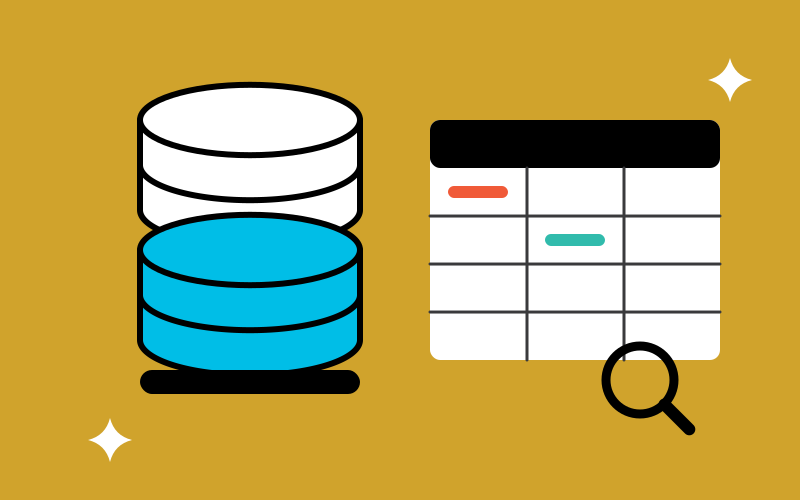
We design and build databases that keep business data accurate, fast and secure, from new data models to migrations, performance tuning and reliable backup strategies.
Database design and development is the planning, building and optimisation of the systems that store your business data: customers, orders, products, transactions, records and everything else your applications depend on. A well-designed database keeps data accurate, retrieves it quickly and protects it from loss or misuse. A poorly designed one causes duplicate records, slow applications, unreliable reports and painful changes. At TechBiz Digital, we design databases as the long-term foundation they are, not as an afterthought to application development.
Data usually outlives the applications built on top of it. Interfaces get redesigned and code is rewritten, but customer histories, transactions and records need to remain intact and meaningful for years. That makes careful data design one of the most valuable investments in any software project.
where getting the data model right will shape everything built on it.
that have become business-critical but unreliable.
whose data must be migrated safely and accurately.
as data volumes and users grow.
where answering simple business questions takes hours of manual work.
without confidence that backups would actually restore your data.
designing tables, relationships and constraints that reflect how your business works and keep data consistent.
recommending the right technology, typically relational databases such as PostgreSQL or MySQL, with other options where the use case calls for them.
building the database structure, with version-controlled migrations so changes are tracked and repeatable.
extracting, cleaning, transforming and loading data from spreadsheets, older databases or other systems.
indexing, query tuning and structural improvements for faster responses.
roles, permissions, encryption and auditing appropriate to the sensitivity of your data.
automated backups, retention policies and tested restoration procedures.
structures designed for analysis and dashboards, connected to tools used in analytics and reporting.
monitoring, upgrades and capacity planning.
We learn what information you hold, how it is used, who needs access and what it must answer.
We create a data model and review it with you, checking it handles real scenarios, exceptions and future needs.
We build with versioned migrations and, where needed, move existing data through test runs before the final transfer.
We tune performance against realistic data volumes, apply access controls and configure reliable, regular backups.
We verify data integrity, test restoring from backup and provide ongoing support as your application grows.
Accurate data underpins every decision and customer interaction. A well-structured database prevents duplicates and inconsistencies, so reports can be trusted and customers receive correct information. Fast queries keep applications responsive, and good structure makes it easier to add features without corrupting existing data.
Resilience is equally important. Data loss can be catastrophic for a business, and backups that have never been tested may not work when needed. Regularly tested recovery procedures give you confidence that your data can be restored if something goes wrong. We agree how much recent data you could afford to lose and how quickly the system must be back online, then design backup frequency and recovery steps to meet those targets.
Many businesses hold personal information about customers and staff, which brings legal responsibilities that vary by country and industry. We design databases to support those responsibilities: storing only what is needed, restricting access to sensitive fields, recording who changes what and making it possible to update or delete personal data when required. Retention rules can be built in, so information is not kept longer than necessary. We recommend confirming your specific obligations with a qualified adviser.
Databases work hand in hand with the systems around them. Our backend development service builds the logic that uses your data, API development and integration keeps it synchronised with other tools, and cloud deployment and DevOps provides managed, monitored hosting. Explore all of our development services.
Frequently Asked Questions
Relational databases such as PostgreSQL and MySQL suit most business applications, because they enforce structure and relationships between data reliably. NoSQL databases can suit specific needs, such as very flexible data structures or certain high-volume workloads. We recommend based on how your data is used.
Yes. We analyse the existing data, clean and transform it to fit the new structure, and run test migrations to check accuracy before the final move. Data quality problems are identified and resolved as part of the process.
Yes. Common causes include missing indexes, inefficient queries, poor data structure or under-sized hosting. We analyse query performance, identify the biggest bottlenecks and fix them, often achieving significant improvements without changing the application.
We apply access controls so users and services only see what they need, encrypt data in transit and at rest where appropriate, and set up automated backups with tested restoration. Sensitive data is handled according to your regulatory requirements.
Yes. Reporting often benefits from a structure separate from the operational database, so heavy queries do not slow down the application. We can design reporting databases or data models that support dashboards and business intelligence tools.
Yes. We can monitor performance, manage upgrades, review backups and adjust the structure as your application evolves, either as part of wider support or as a dedicated arrangement.
Database development is the design, building and optimisation of the systems that store and organise your business data. It covers data models, queries, performance, security, backups and migrations, so information stays accurate and fast to access.
We work with relational databases such as PostgreSQL and MySQL, and with non-relational databases where they suit the data. We recommend the type that matches your data, reporting needs and expected growth.
We set up regular automated backups, store them separately from the live database and test that they can be restored, so data can be recovered after an error or failure within agreed limits.
It depends on the size and complexity of the data, any migration involved and requirements for performance, security and reporting. We provide a proposal after reviewing your current setup and goals.
Keep Exploring
More development services from TechBiz Digital, starting with those that work best alongside Database Design & Development.
We build the secure, reliable server-side systems behind websites, apps and platforms, handling business logic, data, authentication and performance out of sight.
We design and build secure, well-documented APIs and connect the systems your business relies on, so data moves automatically between your website, apps and tools.
We design and build software around the way your business actually works, automating manual processes, connecting disconnected tools and giving teams one reliable system.
We set up and manage the cloud infrastructure behind websites and applications, with automated releases, monitoring, backups and security that keep everything running reliably.
We build fast, secure and accessible business websites on the platform that suits you, with content management your team can use and foundations ready for search.
We build custom WordPress websites that are fast, secure and easy to manage, with tailored themes, editor-friendly blocks and only the plugins your site genuinely needs.
We build and customise Shopify stores that reflect your brand, are simple to manage and connect to the apps and systems your business runs on.
We help businesses choose the right e-commerce platform and build online stores that handle products, payments, shipping and integrations reliably as sales grow.
We build fast, focused landing pages for campaigns and launches, with clear messaging, reliable forms and accurate tracking so you can measure every enquiry.
We build secure, browser-based applications such as portals, dashboards and booking systems, designed around your workflows and ready to grow with your business.
We build progressive web apps that install from the browser, load quickly, keep working on poor connections and give users an app-like experience from a single codebase.
We plan, build and launch mobile apps for iOS and Android, choosing native or cross-platform development based on what your product and users genuinely need.
We build iPhone and iPad apps that feel at home on Apple devices, with the development approach chosen after a technical assessment and every release prepared carefully for App Store review.
We build Android apps that run reliably across the wide range of Android devices, with the development approach chosen after a technical assessment and releases prepared for Google Play.
We help founders and businesses build software-as-a-service products, from a focused first version to a secure, scalable platform with subscriptions and customer accounts.
We build practical AI applications and features, from document search and summarisation to content and classification tools, designed with evaluation, privacy and human oversight.
We design and build automated workflows and AI agents that carry out multi-step tasks across your business tools, with clear permissions, approval steps and a record of every action.
We build AI chatbots for your website and messaging channels that answer questions from your approved content, capture enquiries and hand over to your team when a person is needed.
We keep websites secure, fast and up to date with regular updates, backups, monitoring, fixes and content changes, so your site keeps working while you run your business.